

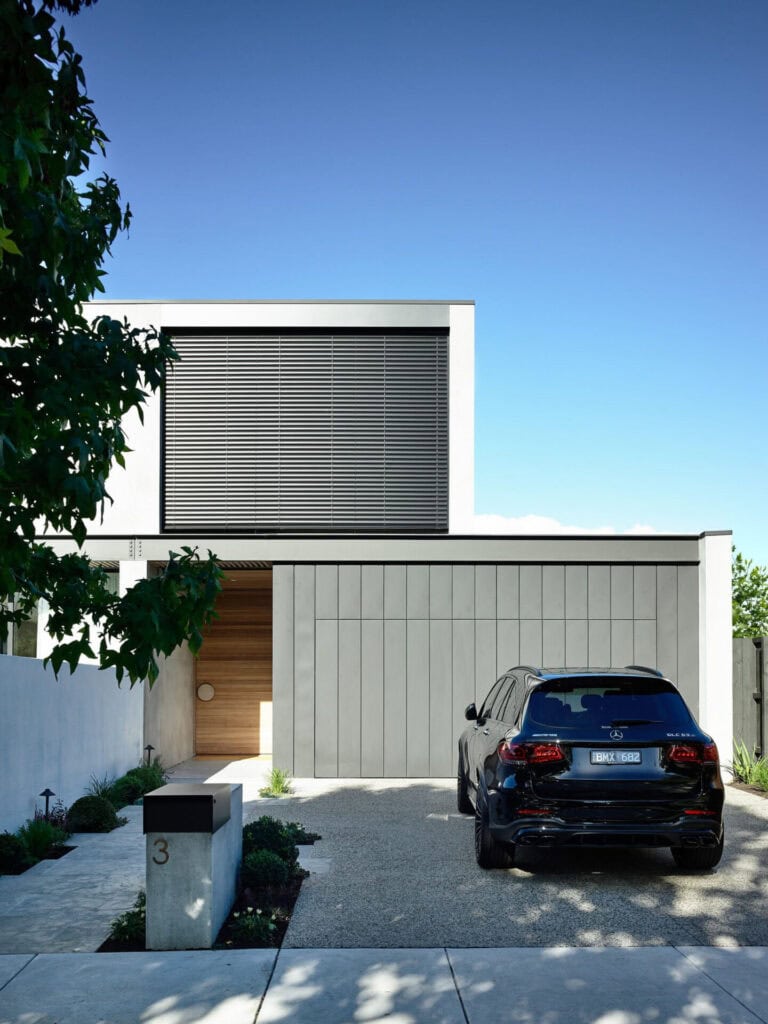
External venetians are a key component in contemporary façade design. They provide controllable solar shading at the point of peak heat exposure, support high levels of visual comfort and allow buildings to meet increasingly stringent energy performance requirements. This guide outlines how external venetians work, where they are most effective and the design considerations that matter during specification.
Understanding External Venetians
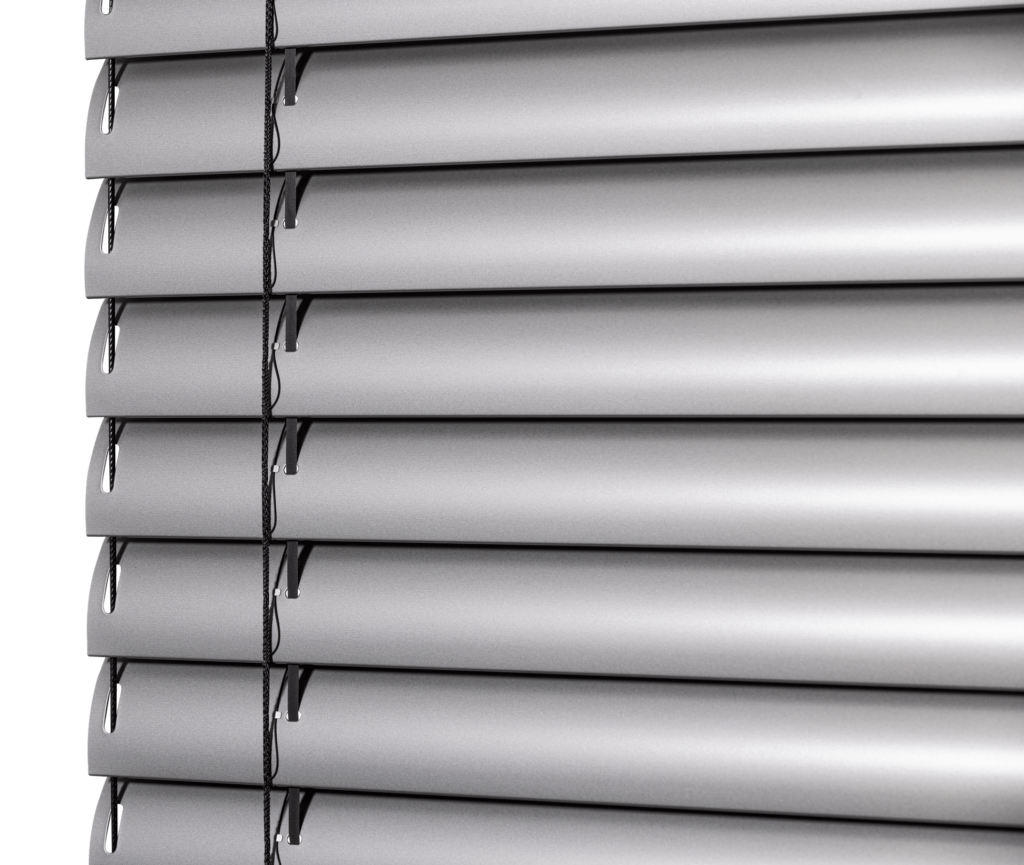
External venetians are adjustable aluminium slat systems installed on the outside of a buildings windows. They control daylight, reduce solar heat gain and allow occupants to maintain views. The slats tilt to manage light, can be fully raised when required and can be automated through a range of control systems such as KNX and many of Somfy’s products.
Their purpose is straightforward. Prevent heat from reaching the glass, reduce reliance on mechanical cooling and create consistent interior conditions throughout the day.
Why Architects Use External Venetians
Solar and thermal performance
Because they stop heat before it reaches the glazing, external venetians achieve a level of thermal control that internal shading cannot. They lower cooling loads, reduce temperature swings and contribute directly to compliance with NCC energy provisions, NABERS targets and Green Star pathways.
Visual comfort and daylight
By modulating glare and view without fully blocking daylight, external venetians help designers maintain balanced levels of natural light. This is particularly valuable in workplaces, learning environments and residential spaces where excessive glare leads to discomfort and inconsistent use of artificial lighting.
Façade expression
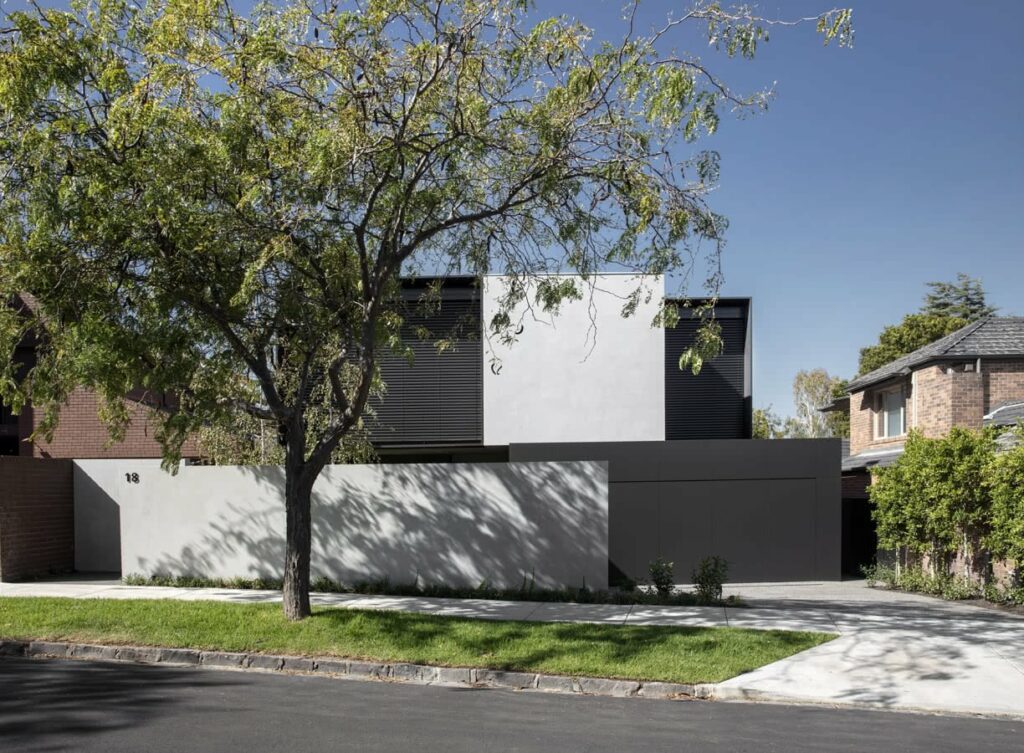
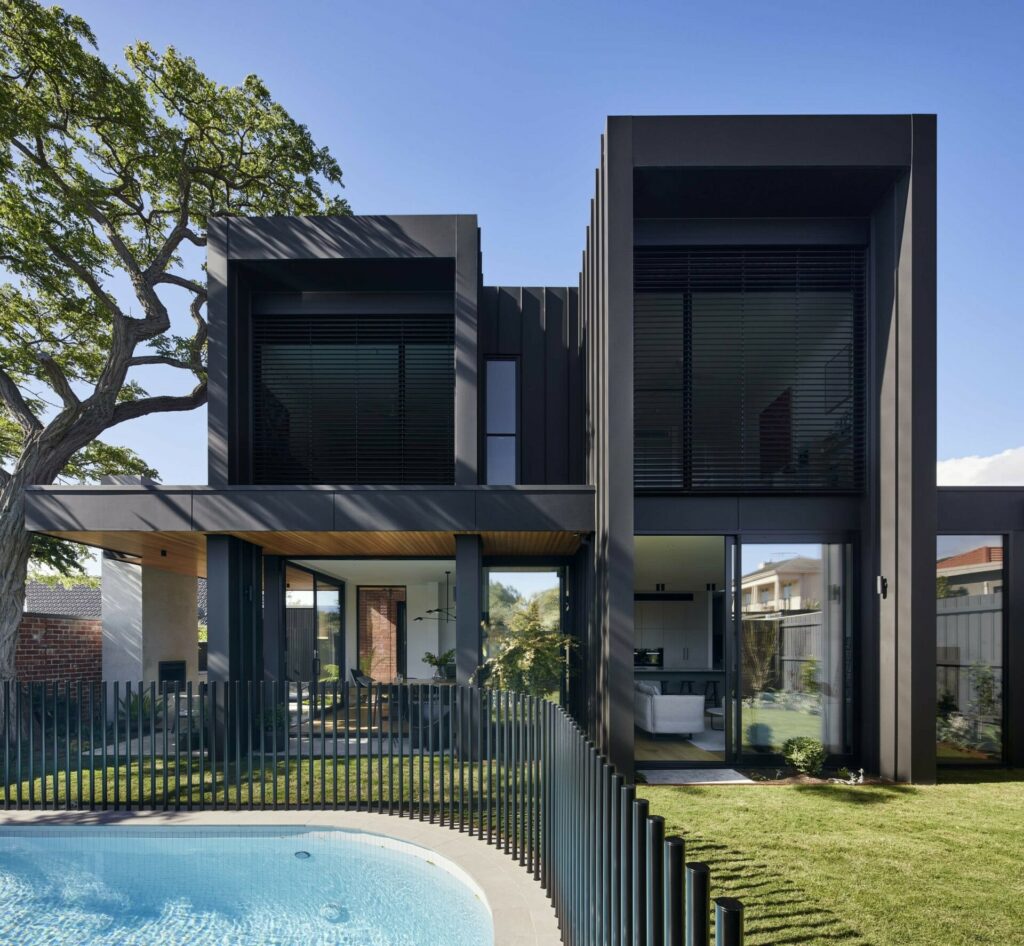
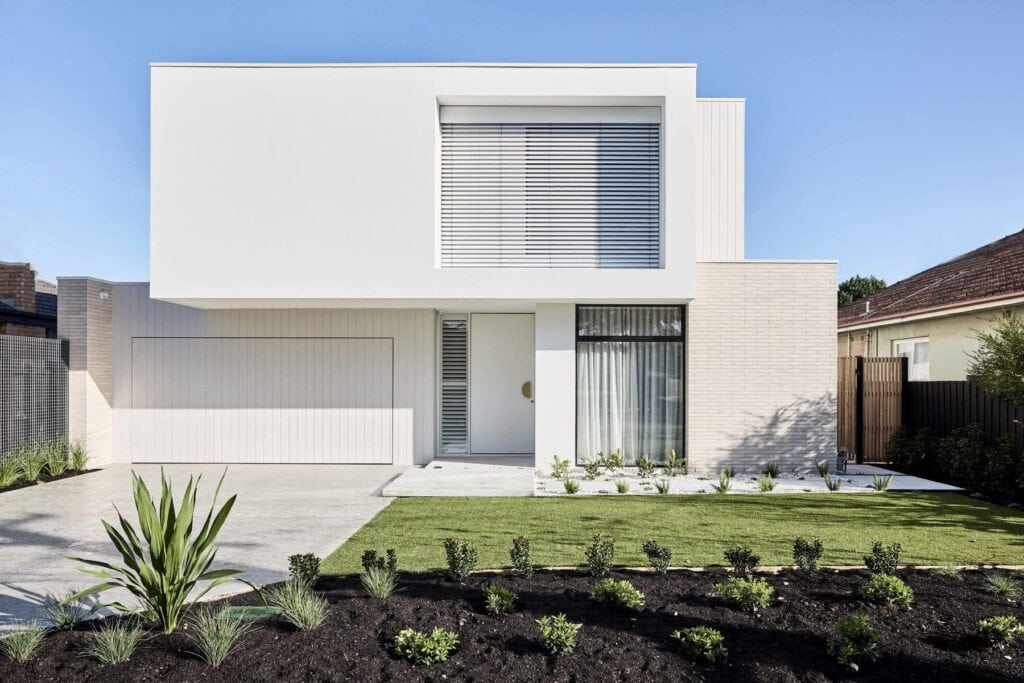
External venetians introduce depth and variation to façades. Changes in sun angle, slat position and time of day create subtle movement across the building. They can be fully exposed or integrated with recessed headboxes for a more concealed architectural outcome.
What Types Of External Venetians Are Available
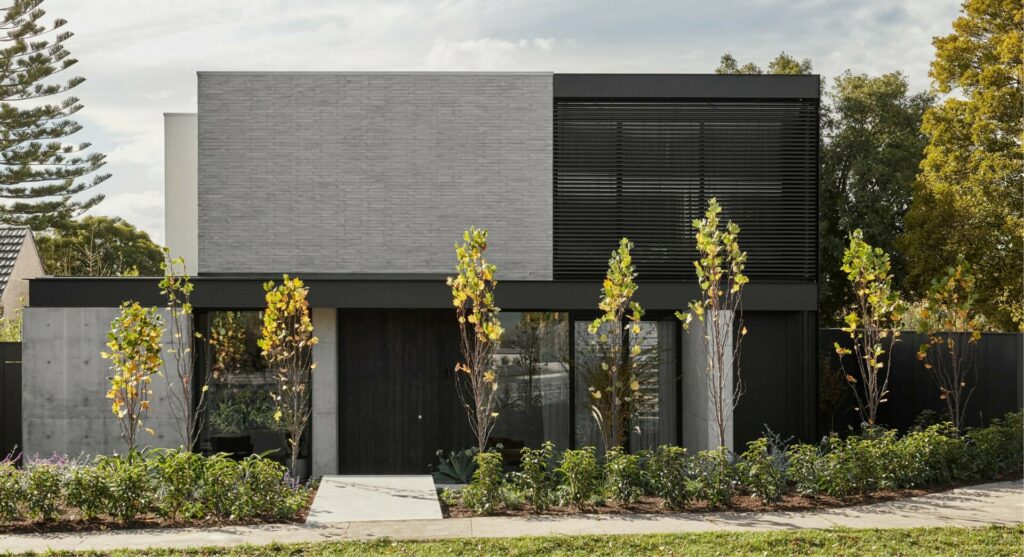
Wire guided systems
Suitable for single dwellings and low to mid rise applications. Their clean appearance allows them to sit quietly within residential architecture while still delivering effective solar control.
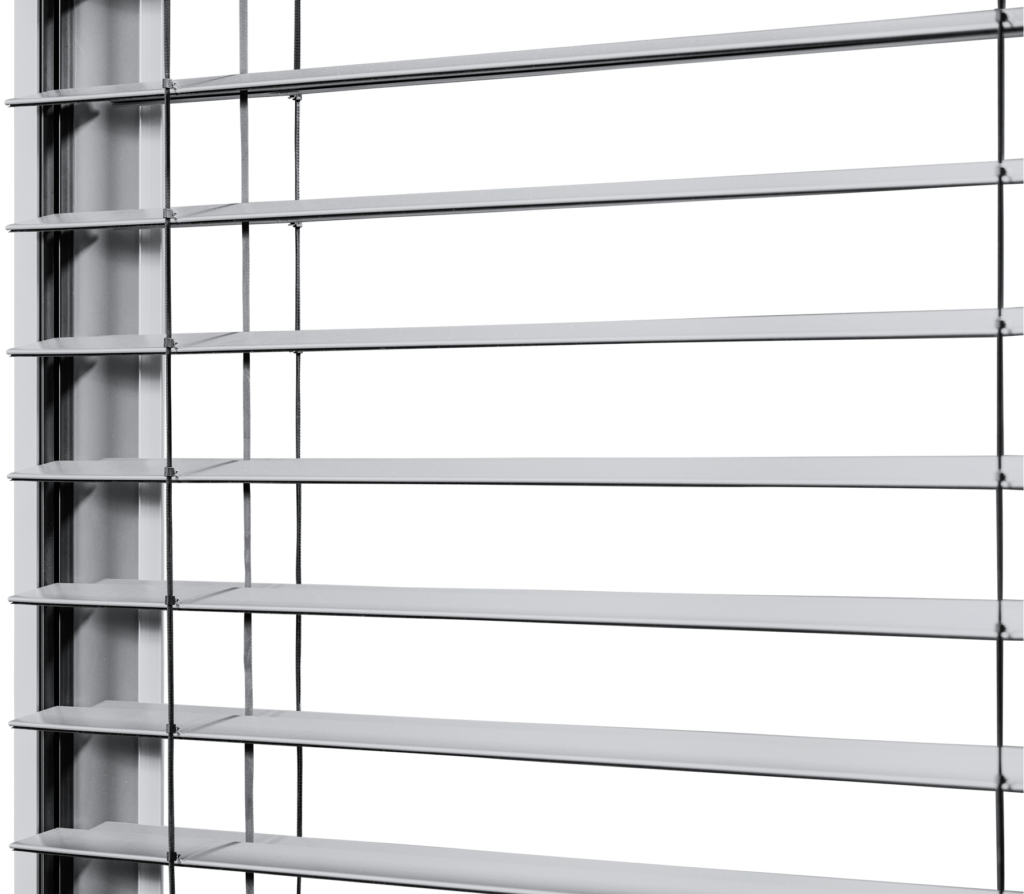
Rail guided / side channel systems
Offer increased stability for larger openings, commercial projects and buildings in windy environments. Multiple side channel or guides are available to be used depending on conditions, window size and aesthetic choices.
Architectural Applications
External venetians are widely used in:
- commercial office façades
- education buildings
- healthcare and aged care facilities
- multi residential projects
- premium residential architecture
- retrofits aimed at reducing operational energy use
They are particularly effective on north and west façades in the Australian context, although every orientation can benefit depending on the daylighting and shading strategy of the project.
Integration with Control Systems & Automation
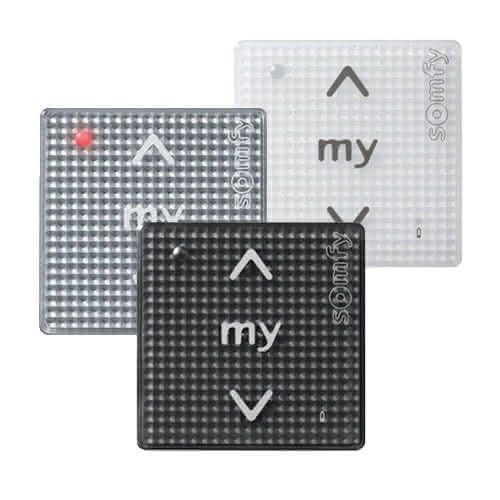
Automation is one of the defining strengths of external venetians. They can operate through:
- KNX building automation
- Somfy animeo
- Building Management Systems via BACnet
- Local weather and sun sensors
- Occupant based controls
This allows shading to respond to sun position, interior conditions and building schedules. In many projects, automated logic is used to protect the system during high winds while still enabling fine control of light and heat throughout normal operation. Learn more about control options specifically for evaya external venetians.
Design and Specification Considerations
As with most decisions in high end architectural homes there should be consideration of specific conditions including:
Wind and structural requirements
Understanding wind loading and guide system selection is essential. Site wind category, building height and exposure should be assessed early to avoid coordination issues later in the design process.
Glazing and frame selection
External venetians perform best when aligned with high quality glazing systems. Low E glass, double glazing and thermally broken frames complement the benefit delivered by the shading system.
Façade integration
Headbox depth, recessing and maintenance access need to be considered. At evaya, we can work with you to make sure the product perfectly compliments the building design.
Control strategy
A clear control approach helps avoid user frustration. Architects should consider whether shading is primarily automated, locally controlled or part of a broader building automation strategy. We work closely with Somfy to make sure all solutions for our ev80 and ev93D product lines are easy to integrate.
Maintenance and Longevity
A well designed system requires minimal maintenance. Periodic cleaning of slats, inspection of guides and annual testing of automation systems are generally sufficient. Aluminium slats with high quality coatings deliver long service life even in challenging Australian conditions, including coastal environments when the correct finishes are specified.
When to Consider External Venetians
External venetians are an effective solution when a project requires:
- high levels of solar control
- improved thermal comfort
- fine control of daylight and glare
- façade integration with clean modern lines
- automation that supports energy performance goals
They sit at the intersection of architectural expression, building performance and compliance, and are well suited to projects that value design clarity, measurable results and confidence in meeting energy requirements.